

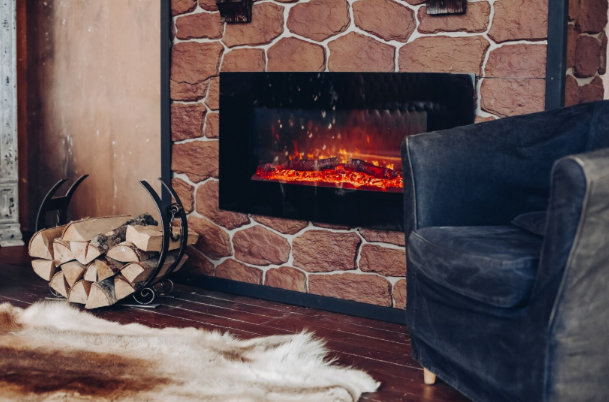

Installing a wood fireplace is an involved process that requires careful planning and execution. Yet, the warmth and ambiance it brings to your home are well worth the effort.
Not sure where to start installing a wood fireplace in your home? Here’s a detailed step-by-step guide to help you through the installation.
1.Planning and Preparation
On top of all that, select the type of wood fireplace that best suits your home. A freestanding unit offers flexibility in placement. On the contrary, an insert fits into an existing structure.
Keep an eye on your home-related aspects, such as layout and heating requirements. Feel free to consult local building codes to ensure compliance.
It’s also important to review the manufacturer’s installation and safety specifications. Secure any necessary permits before you go ahead.
2. Prepare the Site and Foundation
Next, focusing on the location for wood fireplaces installs is advisable. Be sure that the floor can support the weight of the fireplace, and the surrounding area is adequately fire-rated.
If you want to create a safe and stable base, the best approach is to install a non-combustible hearth pad. This could be made from materials such as brick, stone, or high-quality tile.
In addition to protecting your home, this pad will enhance the aesthetic appeal of your wood-burning fireplace.
3. Position the Fireplace Unit
Once the hearth pad is in place, carefully position the fireplace unit. Ensure it sits level on the hearth and is aligned correctly.
Around the fireplace, maintain adequate clearances from combustible walls, furniture, and other materials. In that way, you will reduce the likelihood of any fire hazards in the near future.
4. Install Venting and Chimney System
It’s now time to set up the chimney or flue system—that’s critical for safely directing smoke outside. Stick meticulously to the manufacturer’s guidelines, as this may require cutting through the roof or a wall.
Once the installation is done, seal all connections with high-temperature fire cement. So, there would be no smoke or gases escaping into your home.
5. Create the Surround
For sure, safety and aesthetics are of great significance. In light of this, you should create a surround for the wood fireplace using fireproof materials such as brick, stone, or tile. Pay keen attention to the clearances needed around the fireplace; you’ll ensure protection against heat and flame.
6. Install Optional Components
If desired, you can add optional components. Fans are ideal for improved heat distribution, while exterior air connectors enhance combustion efficiency. When installed, these additions can immensely boost the overall functionality of your wood fireplace.
7. Inspection and Initial Use
Once the installation is complete, inspect the entire system for any signs of leaks, damage, or improper seals. Your installation must meet all local regulations before use.
For the first fire, preheat the flue. Don’t know how? The best way is to burn a small piece of paper to ensure that a proper draft is established. Doing so will pave the way for a safe and efficient burn.
Final Words
By taking all these detailed steps, you can successfully install a wood fireplace that will provide warmth and charm to your home for years to come.
If you still cannot handle this project, feel free to seek help from a reliable, experienced contractor to ensure your wood-burning fireplace installation is done masterfully.