


Pune’s old neighbourhoods are not about signage, heritage walks, and laminated information boards. They reveal themselves gradually, through the character of the buildings and the specific aromas coming out of specific lanes at certain hours.
I spent three days doing this without much of a plan, eating when something looked worth stopping for rather than at any particular hour. I left with a clearer sense of the city than the more structured sightseeing I’d done on a previous visit.
Kasba Peth on a Wednesday morning
I started in Kasba Peth, one of the oldest parts of the city, on a morning when I had no particular agenda beyond walking. The lanes here are considerably narrow, and the buildings are close enough to capture the diffuse and slightly golden hue of street lights, especially when the sun is direct.
The breakfast I came across in the morning was the right choice. I found a little shop near the Kasba Ganpati temple making sabudana khichdi, the tapioca dish from Maharashtra that is less starchy and heavier than other versions I consumed in the past.
The Irani cafés in this area are older than the ones in Koregaon Park, so I stopped at one of them in the morning to drink tea and enjoy bun maska. The buns at this place were sweeter and heavier like traditional Irani bread, and it was different from the usual buns I ate before. I finished two buns and still wanted more.
Narayan Peth and an unexpected lunch
I wandered into Narayan Peth by late morning without entirely meaning to, having taken a wrong turn that led me into a quieter residential lane that eventually opened onto a small market. A restaurant on the corner was having lunch thali. As I reached the spot, the owner gestured to me to sit in a chair.
I waited. The thali, when it arrived, was a proper Maharashtrian spread, bharli vangi alongside a thin, well-spiced varan, rice, bhakri, and a small bowl of sol kadhi. The whole thing cost less than I’d spent on a single coffee in Koregaon Park the day before.
Budhwar Peth and the mithai shops
Budhwar Peth has a particular concentration of mithai shops that I hadn’t known about before arriving and discovered by seeing someone carrying an interesting box. The sweet shops here do a version of Pune’s particular pedha, a milk-based sweet, which I was told by the shopkeeper was different from the Mathura version that most people associate with the name.
The difference was in the milk and the cooking time. I bought some and found them to be excellent, though I’m not fully qualified to verify the comparison.
What the food from old neighbourhoods actually tastes like?
The food in Pune’s older areas has a character that connects directly to the city’s Marathi cultural identity in a way that the more cosmopolitan cafés in Koregaon Park don’t quite reach. The sabudana, the bhakri, the particular style of varan and rice, all of it reflects a culinary tradition that’s been present in these lanes for generations rather than arrived recently.
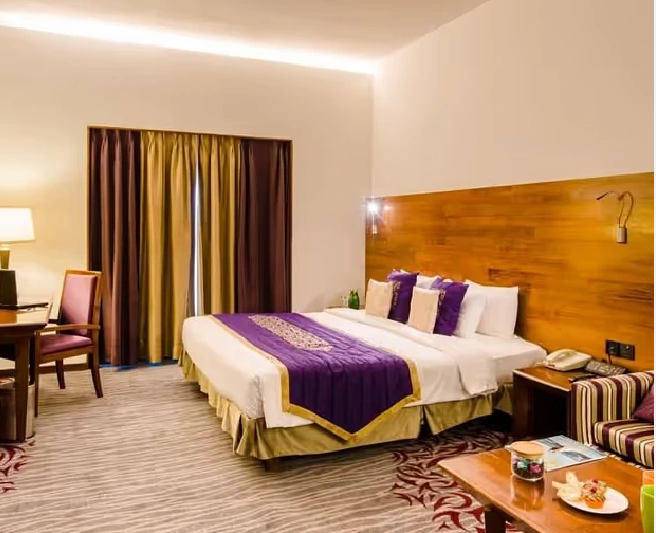
Several hotels in Pune sit close enough to these older neighbourhoods. So, reaching them in the morning, before the lanes get busy and the better stalls sell out of the things worth eating, is manageable without an early alarm or a long commute. That proximity made the difference between eating at the right hour and arriving to find the sabudana khichdi stall already packed up for the morning, which happened once and was a loss I felt more than I’d expected.